Plantar fasciitis
Heel and arch pain, often from tight calves and fascia.

Sports chiropractic soft tissue therapy · San Francisco
Break up scar tissue, free trapped nerves and get back to full strength. Active Release Technique is a hands-on soft tissue treatment for sports injuries, repetitive strain and the stubborn pain that hasn't responded to stretching, massage or rest.

How it works
Active Release Technique (ART) is a patented, hands-on soft tissue treatment that finds and breaks up adhesions, the scar tissue that forms in muscles, tendons, ligaments, fascia and around nerves after an injury or from overuse.
What makes ART different from regular muscle work is movement. Your provider applies precise tension to the exact spot while you move the muscle through its range. That combination lets the tissue slide freely again, restoring motion and taking pressure off nerves and blood vessels.
ART includes hundreds of specific protocols for individual muscles, tendons, ligaments and nerves, so treatment is matched to the precise structure causing your pain.
The root cause
Soft tissue injuries rarely show up on X-rays. Adhesions form in three ways: acute injury (pulls, tears, collisions), repetitive strain (running, typing, lifting) and constant tension (poor posture at a desk). Once they form, they start a cycle that keeps tissue weak and tight.
Swelling and tenderness as the body starts repair.
New fibers are laid down in a disorganized way.
Palpable knots that limit motion and strength.
Thick, stiff tissue that changes slowly without treatment.
Conditions we treat
ART helps almost any problem involving overworked or injured soft tissue. These are the conditions we see most.
Heel and arch pain, often from tight calves and fascia.
Lower-leg pain in runners and court athletes.
Outer-knee and hip pain that flares with running or cycling.
Deep buttock pain and nerve pain running down the leg.
Numbness and tingling in the hand from a trapped median nerve.
Arm numbness and neck tension from compressed nerves and vessels.
Adhesive capsulitis, impingement and limited overhead reach.
Forearm tendon pain from sport, lifting or the keyboard.
Jaw tension, clicking and clenching-related headaches.
Desk-posture tension, strains and muscle spasms.
Recurring pulls that never quite heal right.
Soft tissue damage after car accidents or on-the-job strain.
Runners, golfers, lifters, climbers and cyclists, from weekend warriors to pros.
Tech neck, tight hips and wrist pain from long hours at a screen.
Soft tissue injuries after car accidents or physical jobs.
Pain that has lingered for months despite stretching, massage or rest.
Who treats you
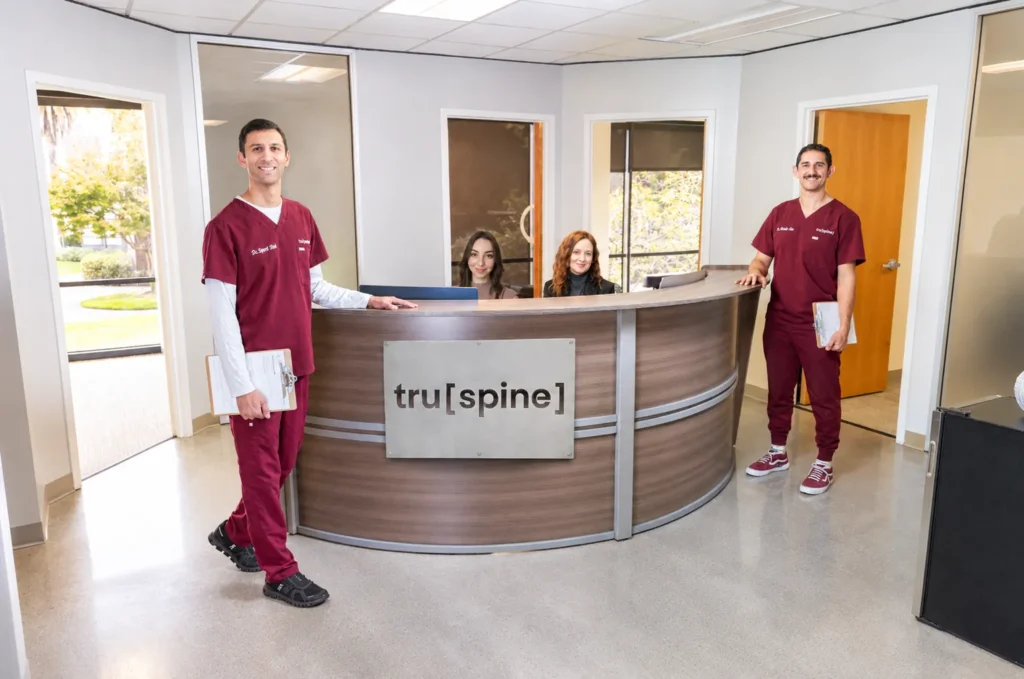
ART is only as good as the diagnosis behind it. Our sports chiropractors combine a thorough history, exam and orthopedic testing with ART, so treatment targets the true source of your pain, not just where it hurts.
What to expect
History, movement screen and orthopedic tests to find exactly which tissue is involved.
A few precise passes over each structure. Treatment starts on your first visit.
Targeted rehab to rebuild strength and flexibility so the injury doesn't return.
We re-check your motion and strength at every visit and adjust your plan as you improve.
All three work on soft tissue, but they do different jobs. We offer each one and often combine them.
| Active Release Technique | Massage | Graston Technique | |
|---|---|---|---|
| Method | Hands + patient movement | Hands, patient at rest | Stainless steel instruments |
| Targets | Specific adhesions & trapped nerves | General muscle tension | Broad areas of fascia & scar tissue |
| Diagnosis-driven | Yes | Usually not | Yes |
| Best for | Sports & repetitive strain injuries | Relaxation, recovery | Chronic tendon & fascia problems |
| Session time on area | Minutes, very targeted | 30–60+ minutes | Several minutes per area |
TruSpine offers Active Release Technique in San Francisco near North Beach, Telegraph Hill and the Financial District, performed by our sports chiropractors led by Dr. Supreet Shah, DC, MS, CCSP. Book online or call (415) 421-1115.
Active Release Technique treats soft tissue problems caused by scar tissue and adhesions, including plantar fasciitis, shin splints, IT band syndrome, piriformis syndrome, sciatica, carpal tunnel syndrome, thoracic outlet syndrome, frozen shoulder, tennis and golfer's elbow, TMJ pain, neck and back pain, and recurring muscle strains.
ART can feel intense, a deep, "good hurt" pressure, especially over tight or injured tissue. It should never be sharp or unbearable, and your provider adjusts the pressure to you. Mild soreness for a day or so afterward is normal.
It depends on the injury, how long you've had it and how your body responds. Newer injuries often need fewer visits than long-standing ones. After your exam we'll give you an honest, realistic plan, and we re-check your progress at every visit.
Massage works broadly on muscle tension while you rest. ART is diagnosis-driven and highly specific: your provider applies precise tension to an adhesion while you actively move the muscle, which breaks up scar tissue and frees trapped nerves in a way general massage usually can't.
Neither is better. They're tools for different jobs. ART uses the hands and patient movement to target specific adhesions and nerve entrapments. Graston Technique uses stainless steel instruments to treat broader areas of fascia and scar tissue. We often use both in the same plan.
Often, yes, when the numbness comes from a nerve trapped by tight or scarred soft tissue, as in carpal tunnel syndrome, thoracic outlet syndrome or piriformis-related sciatica. ART includes specific protocols for releasing nerve entrapments. Your exam will confirm whether that's the cause.
ART certification requires a professional health degree, such as a chiropractor, medical doctor, physical therapist or massage therapist. The advantage of a sports chiropractor is the ability to diagnose your injury with orthopedic testing first, so ART is aimed at the true source of the problem.
Yes. ART is one of the most popular treatments for athletes because it targets overuse injuries like shin splints, IT band syndrome, plantar fasciitis, golfer's elbow and hamstring strains. Our team includes chiropractors who specialize in golf and sports injuries.
Stay active with gentle movement, drink water and do the exercises and stretches we give you. They're essential for keeping the tissue healthy and preventing the injury from coming back. Ice can help if you feel sore.
Book Active Release Technique in San Francisco with our sports chiropractors and start moving freely again.
Individual results vary. Active Release Techniques® is a registered trademark of Active Release Techniques, LLC. This page is for informational purposes and is not medical advice.