Chiropractic Techniques for Different Types of Back Pain

Chiropractors for Back Pain in San Francisco, CA by TruSpine

Understanding Low Back Pain and Chiropractic Care

Low back pain affects a significant portion of the population and can be caused by various factors such as muscle strain, spinal injury, arthritis, or herniated discs. This type of pain can have a considerable impact on an individual’s daily life, affecting their ability to work, exercise, or engage in routine activities. Chiropractic care offers a holistic approach to addressing low back pain, considering not only the physical symptoms but also the patient’s overall well-being. By addressing the root cause of the pain, chiropractors aim to provide personalized treatment strategies that cater to each individual’s specific needs and concerns, promoting lasting relief and improved quality of life.

TruSpine, a reputable chiropractic office located in San Francisco, CA, is dedicated to delving into the underlying factors contributing to low back pain. Through a comprehensive understanding of each patient’s condition, the experienced team at TruSpine formulates tailored treatment plans to target the root cause of discomfort. By offering specialized treatments such as dry needling, sports medicine, neuropathy care, and acupuncture, TruSpine aims to provide a multifaceted approach to addressing low back pain, fostering lasting relief without solely relying on medication or invasive procedures. This personalized and comprehensive approach is designed to not only alleviate current symptoms but also prevent future occurrences of low back pain, promoting long-term wellness and comfort for individuals seeking relief from this common ailment.

Additional reading: Nerve Pain: Your Body’s Alarm System

Chiropractic Techniques for Treating Low Back Pain

Chiropractors are trained in a variety of techniques to effectively address low back pain. One common method is spinal manipulation, which involves the use of hand manipulation and specialized tools to improve mobility, alignment, and reduce pain in the spine. For instance, the flexion-distraction technique and pelvic blocking are specific approaches aimed at improving spinal health and reducing discomfort for patients experiencing low back pain.

In addition to spinal manipulation, chiropractors employ specific techniques tailored to the individual patient’s physical condition and the underlying cause of their discomfort. These techniques may include trigger point therapy, instrument-assisted soft tissue therapy, and manual therapy, all of which work to alleviate pain and promote overall spine health. For example, trigger point therapy targets specific points of muscle tension, releasing the tightness and restoring normal muscle function, while instrument-assisted soft tissue therapy utilizes specialized tools to address soft tissue restrictions and promote healing.

TruSpine, a leading chiropractic office, offers a range of specialized treatments designed to target the root cause of low back pain and provide lasting relief. By focusing on personalized treatment strategies, TruSpine aims to improve the overall well-being of individuals suffering from low back discomfort, utilizing techniques such as dry needling, sports medicine, and neuropathy care to address various health concerns related to back pain. For those seeking a holistic and effective approach to back pain treatment, TruSpine provides comprehensive and personalized care to foster lasting relief and improve the quality of life for their patients.

Effective Methods for Treating Back Pain

Chiropractic care offers a diverse range of effective methods for treating back pain, catering to the unique needs of each patient. One common and proven technique is trigger point therapy, which involves identifying and targeting specific trigger points in the muscles to alleviate pain and improve mobility. This method has been widely recognized for its effectiveness in addressing acute low back pain, offering relief and promoting overall well-being.

Another valuable approach utilized by chiropractors is instrument-assisted soft tissue therapy. This method involves the use of specialized instruments to detect and treat soft tissue abnormalities, promoting healing and reducing discomfort. By precisely targeting affected areas, instrument-assisted soft tissue therapy has been instrumental in providing relief from back pain while enhancing the overall health of the spine and surrounding muscles.

In addition to these techniques, manual therapy is a cornerstone of chiropractic care for back pain. This specialized form of therapy is administered by certified practitioners and involves hands-on manipulation of the affected areas to improve mobility, alignment, and reduce pain. It is tailored to address each patient’s unique condition, offering personalized treatment to promote long-term relief and overall spine health.

TruSpine is committed to providing a comprehensive approach to addressing back pain, offering specialized treatments like dry needling, sports medicine, and neuropathy care. These treatments are designed to target the root cause of discomfort and foster lasting relief, aligning with the practice’s dedication to holistic healing and personalized care. By exploring these specialized treatments, individuals can experience a tailored approach to back pain management and overall well-being.

Common Causes of Back and Neck Pain

Back and neck pain can stem from a variety of causes, impacting individuals’ daily lives and overall well-being. Arthritis, a condition characterized by joint inflammation, can contribute to back and neck discomfort, affecting mobility and causing persistent pain. Similarly, herniated discs, also known as slipped or ruptured discs, can lead to nerve compression, resulting in sharp or radiating pain in the back and neck areas. Muscle strain, often caused by overexertion or improper lifting techniques, can cause acute pain and restricted movement, further exacerbating back and neck issues. Additionally, spinal injury, whether due to trauma or degenerative conditions, can significantly impact spine health, leading to chronic pain and reduced functionality.

Chiropractic care has been instrumental in addressing these common causes of back and neck pain, offering non-invasive and personalized treatment approaches. Through spinal manipulation, chiropractors can realign the spine, alleviate pressure on affected nerves, and enhance overall spinal health, effectively mitigating the impact of arthritis, herniated discs, muscle strain, and spinal injury. Furthermore, spinal decompression, another chiropractic technique, can help alleviate the pressure on spinal discs, promoting healing and reducing discomfort. TruSpine understands the diverse nature of back and neck pain causes and provides a comprehensive range of therapies, including chiropractic adjustments, ultrasound therapy, and shockwave therapy, to address the specific needs of each individual, fostering lasting relief and improved overall well-being.

The Holistic Approach of Chiropractic Care

Chiropractors take a holistic approach to addressing low back pain, focusing on more than just the physical symptoms. They consider various factors such as diet, stress, and exercise when developing a treatment plan for patients with back pain. For example, a chiropractor may recommend dietary changes to reduce inflammation and support overall spine health, as well as stress management techniques to alleviate tension in the muscles and promote relaxation. By addressing these lifestyle factors, chiropractors aim to provide comprehensive care that not only alleviates pain but also enhances the overall well-being of the patient.

Furthermore, before initiating any treatment, chiropractors conduct a thorough assessment that includes reviewing the patient’s medical history, understanding their lifestyle factors, and performing physical examinations. This comprehensive evaluation allows chiropractors to tailor the treatment plan to the specific needs of the individual, ensuring a personalized approach to addressing low back pain. TruSpine, in particular, is committed to fostering lasting relief for patients and helping them overcome pain without the need for medication or surgical interventions. Their emphasis on patient-centric care and comprehensive wellness strategies aligns with the holistic principles of chiropractic care, making them a valuable resource for individuals seeking effective and personalized solutions for low back pain.

Preventive Measures and Long-Term Relief

In addition to treating existing back pain, chiropractors also emphasize preventive measures to alleviate the risk of future discomfort. They focus on educating patients about proper body mechanics and ergonomics, which can significantly reduce the incidence of back pain. For example, chiropractors may provide specific exercises to strengthen the core muscles and improve flexibility, helping to support the spine and prevent future strain or injury. By empowering patients with the knowledge and tools to care for their backs, chiropractors play a vital role in long-term back pain prevention and relief.

TruSpine’s comprehensive approach to long-term relief from back and neck pain includes a diverse range of therapies tailored to address each patient’s unique needs. For instance, chiropractic adjustments are used to restore proper alignment and function to the spine, promoting long-term relief and reducing the risk of recurrence. Additionally, ultrasound therapy and shockwave therapy offered by TruSpine can help to alleviate muscle tension, improve circulation, and facilitate the body’s natural healing processes. By addressing the root cause of discomfort and fostering lasting relief, TruSpine aims to help individuals overcome pain without the need for medication or surgery.

TruSpine: Caring Chiropractors for back pain in San Francisco, CA

At Truspine, we’re dedicated to providing tailored solutions for back pain through our specialized chiropractic techniques. We understand the unique challenges that different types of back pain present, and our goal is to offer personalized care that brings relief and enhances your overall well-being. If you’re seeking effective chiropractic solutions for your back pain, don’t hesitate to reach out to us. Book an appointment today and let our experienced team of chiropractors in San Francisco help you discover a life free from the constraints of back pain, empowering you to move, live, and thrive with confidence and comfort at Truspine in San Francisco, CA. Your journey to a pain-free back starts with us – contact us now!

Truspine


150 Lombard St Ste 2, San Francisco, CA 94111


(415) 421-1115

Knee Pain in Athletes: Chiropractic Strategies for Recovery

Recover Faster and Perform Better: Chiropractic Solutions for Athletes Knee Pain

Knee pain is a common issue that can significantly impact the performance and overall well-being of athletes. Finding effective strategies for recovery is crucial to help athletes get back on track and prevent future injuries. Chiropractic care has emerged as a valuable approach in managing knee pain and promoting optimal recovery. TruSpine, a specialized chiropractic clinic in San Francisco, offers personalized treatment strategies for athletes seeking lasting relief and improved athletic performance. With their expertise in treating knee pain, TruSpine provides athletes with the tools they need to overcome their pain and achieve their goals.

Knee Pain Causes

Chiropractors Relieve Joint Pain in San Francisco

Common Causes of Knee Pain in Athletes

Knee pain in athletes can stem from various factors, including repetitive strain, sudden impact, overuse, and poor biomechanics. These factors can lead to common knee injuries such as meniscus and ACL tears, tendonitis, patella instability, and MCL tears. For example, soccer players are particularly prone to knee injuries, with up to 35% of professional players experiencing recurrent knee injuries. Surgery is often required to repair these injuries, and wearing a brace correctly can aid in recovery and prevent reinjury. It is important for athletes to be aware of these common causes of knee pain in order to take preventative measures and seek appropriate treatment when necessary.

Benefits of Chiropractic Care for Knee Pain

Chiropractic care offers a range of benefits for athletes dealing with knee pain. By addressing biomechanical imbalances, optimizing neuromuscular function, and improving joint function and posture, chiropractic care can enhance athletic performance, health, and competitiveness. Chiropractors are skilled in treating common knee conditions seen in athletes, such as lower back pain, muscle strains, and joint dysfunctions. Moreover, chiropractic care can prevent injuries, improve biomechanics, and accelerate recovery in athletes. Regular visits to a chiropractor for massage and adjustments can aid in both recovery and prevention. With the help of chiropractic care, athletes can experience reduced pain, improved function, and an overall better quality of life.

Chiropractic Strategies for Knee Pain Recovery

Chiropractors employ personalized treatment programs to strengthen the joint, heal damage, and prevent further injury. These programs may include various modalities such as heat and ice therapy, electrical muscle stimulation, manual manipulation, deep tissue massage, and stretching and strengthening exercises. Chiropractors work closely with athletes to create tailored treatment plans that address their specific needs and goals. By taking into account the athlete’s sport, level of activity, and individual circumstances, chiropractors can develop a comprehensive approach to knee pain recovery. Patients are often encouraged to continue therapies at home, complementing the in-office treatments for optimal recovery and long-term results. Through these personalized strategies, chiropractors can help athletes regain their strength, mobility, and confidence.

Exercises and Stretches for Knee Pain Relief

Incorporating specific exercises and stretches into an athlete’s routine can provide knee pain relief. Squats, lunges, leg presses, quadricep stretches, calf stretches, and knee range of motion exercises are examples of exercises that can help increase mobility, control, and strengthen the leg muscles [2]. These exercises focus on targeting the muscles around the knee joint, improving stability and reducing the risk of further injury. Additionally, knee mobility exercises performed at home, such as quadricep stretches, calf stretches, and knee range of motion exercises, can help prevent swelling, pain, and immobility. Massage therapy has also been shown to improve pain and range of motion in individuals with knee osteoarthritis. By incorporating these exercises, stretches, and therapies into their routine, athletes can support their recovery and maintain optimal knee health.

Tips for Preventing Knee Injuries in Athletes

Prevention is key when it comes to knee injuries in athletes. Implementing proper warm-up and cool-down routines before and after physical activity can help prepare the body and reduce the risk of knee injuries. Wearing appropriate protective gear and using proper technique during sports activities is crucial for injury prevention. Maintaining overall fitness through strength, flexibility, and balance training plays a significant role in preventing knee injuries. Chiropractic care can also help prevent and treat runner’s knee by increasing mobility, range of motion, and strength, as well as improving joint function and posture. Consulting with a chiropractor can provide personalized care and guidance for preventing knee injuries. By taking proactive measures and seeking professional guidance, athletes can reduce the risk of knee injuries and enjoy their sports with confidence.

Discover Lasting Relief with TruSpine’s Specialized Chiropractic Care

In conclusion, knee pain can significantly impact the performance and well-being of athletes. However, effective strategies for recovery and prevention are available. Chiropractic care has emerged as a valuable approach in managing knee pain and optimizing recovery in athletes. TruSpine, a specialized chiropractic clinic in San Francisco, offers personalized treatment strategies and lasting relief for athletes experiencing knee pain. By addressing the root cause of pain and providing tailored treatment plans, TruSpine aims to help athletes overcome knee pain and improve their athletic performance. With their expertise and commitment to patient-centered care, TruSpine is dedicated to helping athletes find lasting relief and reach their full potential. Explore TruSpine’s website at https://truspinesf.com/ to learn more about their specialized chiropractic treatments and schedule a consultation.

CTA: Take the first step towards lasting relief and improved athletic performance. Visit TruSpine’s website today.

Effective Knee Pain Treatment in San Francisco

At TruSpine, we understand the challenges athletes face when it comes to knee pain treatment and the importance of a holistic approach to recovery. We hope that our blog post on “Knee Pain in Athletes: Chiropractic Strategies for Recovery” has provided you with valuable insights and actionable tips to help you or your loved ones overcome knee pain and get back to peak performance. If you’re in the San Francisco, CA area and seeking professional chiropractic care for knee pain, our dedicated team is here to support you on your journey to recovery. Don’t let knee pain hold you back any longer – contact us today to schedule a consultation and take the first step towards a pain-free, active lifestyle. Your athletic dreams are within reach, and we’re here to help you achieve them.

Truspine

150 Lombard St Ste 2, San Francisco, CA 94111

(415) 421-1115
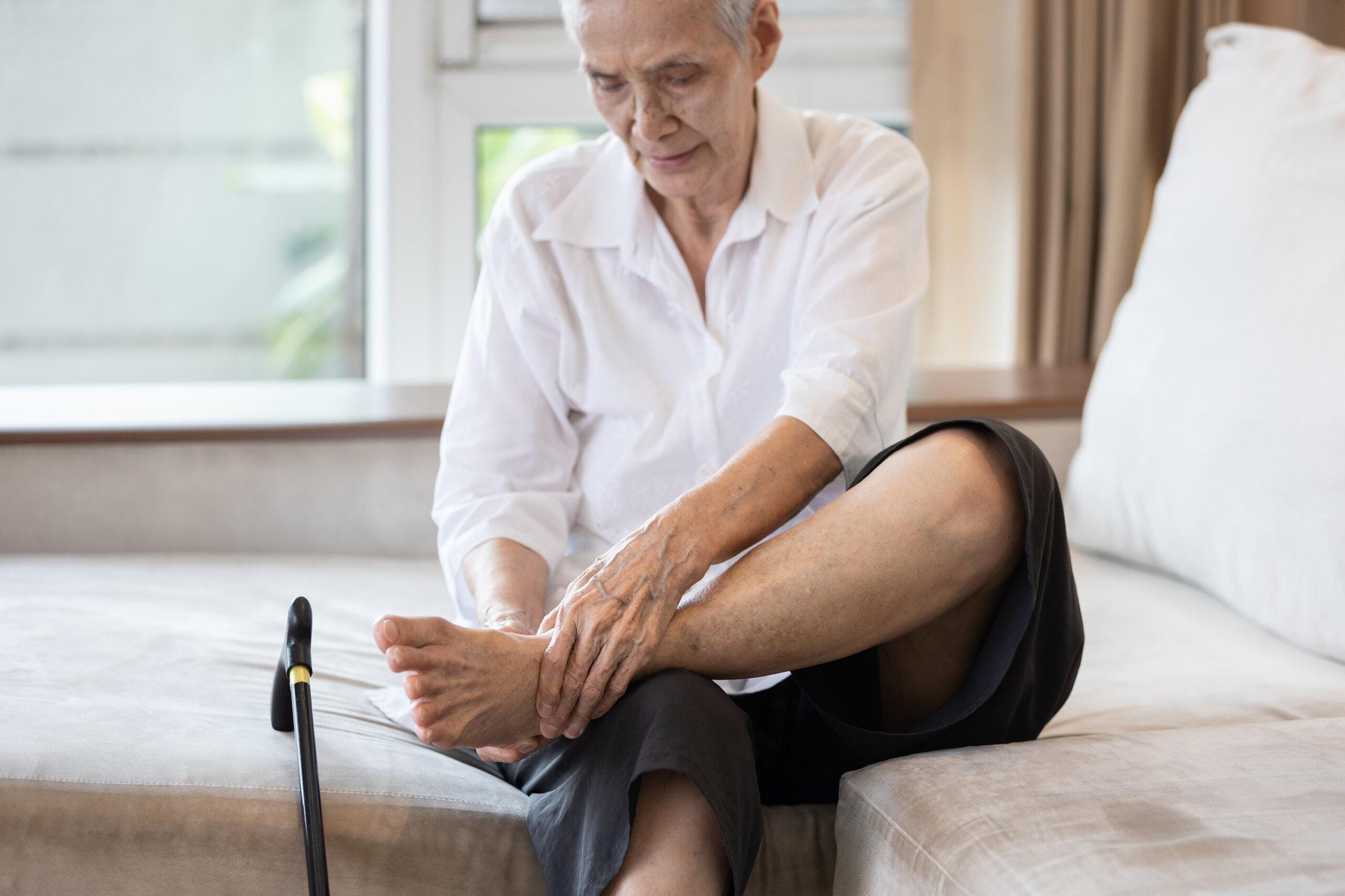
Peripheral Neuropathy

What are the Warning Signs of Peripheral Neuropathy?

Quick answer

The short answer

The earliest warning signs of peripheral neuropathy are usually sensory and usually start in the feet: tingling, burning, a pins and needles feeling, numbness that comes and goes, or a sense that you are walking on padding. Symptoms are typically worse at night and typically symmetrical, affecting both feet rather than one. Hands tend to follow later. If you have diabetes, a thyroid disorder, a B12 deficiency, or a history of heavy alcohol use, those symptoms deserve attention rather than waiting.

One sign matters more than the rest: when numbness starts replacing pain. That usually means more nerve fibers have been lost, not that the problem is improving.

Early warning signs

What people notice first

Peripheral neuropathy rarely announces itself. The early symptoms are intermittent and easy to dismiss, which is why it is so often caught late. The things patients tell us about in hindsight:

  • Tingling or mild numbness in the toes or fingertips that comes and goes over weeks
  • Feet or hands falling asleep for long stretches while lying in bed
  • A burning or prickling feeling in the feet that is worse in the evening
  • Slightly off balance in the dark or with the eyes closed, such as in the shower
  • Not noticing a pebble in your shoe, or a blister you did not feel form

That last one is the most important and the most overlooked. Losing the ability to feel minor injury is what makes neuropathy dangerous rather than merely uncomfortable.

Sensory · Motor · Autonomic

Symptoms by the type of nerve involved

Peripheral nerves do three different jobs, and which fibers are affected determines what you feel.

Sensory nerve symptoms

These are the most common and usually the first. Numbness, tingling, burning, sharp or electric shock pain, extreme sensitivity to touch so that bed sheets feel painful, and reduced ability to feel temperature or a light touch. Loss of position sense, meaning your brain is less certain where your foot is without looking, shows up as unsteadiness.

Motor nerve symptoms

Weakness, cramping, muscle twitching, loss of fine dexterity such as buttoning a shirt or picking up a coin, difficulty lifting the front of the foot when walking, and in longer standing cases visible loss of muscle bulk in the foot or hand.

Autonomic nerve symptoms

These are the ones people rarely connect to nerve damage. Sweating too much or too little, poor heat tolerance, lightheadedness on standing up, digestive changes such as bloating or constipation, bladder changes and sexual dysfunction. Autonomic involvement is more common in diabetic neuropathy and deserves a conversation with your physician.

Where you feel it

Symptoms by where you feel them

Feet and legs

This is where most peripheral neuropathy begins, because the longest nerves in the body are affected first. Symptoms usually start in the toes and move up over months or years in what clinicians call a stocking pattern. Burning, numbness, a feeling of walking on sand or cotton, and loss of balance that is worse in the dark are all typical.

Hands

Hands usually come later than feet in true peripheral neuropathy, in a matching glove pattern. If your hands are affected and your feet are not, that points away from peripheral neuropathy and toward a single compressed nerve instead, such as carpal tunnel syndrome, a pinched nerve in the neck, or thoracic outlet syndrome. We cover how to tell those apart on our hand tingling page.

At night

Nearly everyone reports symptoms being worse once they lie down. Light bed sheets can feel unbearable on the feet, sudden shocks of burning pain interrupt falling asleep, and restlessness leads to repeated waking. Part of this is simply that there is less to distract you, but it is also a genuine pattern in small fiber neuropathy. The sleep loss matters in its own right, because poor sleep makes pain perception worse the following day, and that becomes a loop worth breaking.

What to expect

How peripheral neuropathy progresses

A straight answer: Neuropathy is progressive in most cases, and it tends to follow a recognizable arc. We want to be straight with you about something here: you will find clinic websites describing a tidy set of numbered stages of neuropathy, often with a claim that nerve damage becomes irreversible after a specific stage. There is no recognized medical staging system for peripheral neuropathy, and those claims are used to create urgency. What is true is more useful than that framework anyway:

  1. 1

    Symptoms usually begin intermittently and are easy to ignore. Tingling appears for a few days, then settles.

  2. 2

    They become more constant over time and harder to dismiss. This is when most people first seek help.

  3. 3

    They start to interfere with function. Sleep, walking distance, and balance are usually the first casualties.

  4. 4

    Numbness begins replacing pain. This feels like improvement and is not. It generally reflects the loss of more nerve fibers.

  5. 5

    Protective sensation is lost. At this point injuries go unnoticed, and in people with diabetes that is the pathway to foot ulcers and, in the worst cases, amputation.

That last point is the real reason to act early, and it is a better reason than any stage number. The goal is to protect the sensation you still have.

Why it happens

Causes and risk factors

Peripheral neuropathy is a symptom of something, not a diagnosis in itself, so identifying the cause changes what can be done about it.

Diabetes

The most common cause by a wide margin. Sustained high blood sugar damages nerves over time.

Vitamin deficiencies

B12 in particular. This one matters because it is both common and correctable.

Autoimmune conditions

Rheumatoid arthritis, lupus, Sjogren syndrome and Guillain Barre syndrome among others.

Infections

Shingles, Epstein Barr, hepatitis C, Lyme disease and HIV can all affect peripheral nerves.

Toxins and medications

Heavy metals, industrial chemicals, and chemotherapy agents, which are a frequent cause in cancer survivors.

Alcohol use

Through direct nerve toxicity and the nutritional deficiencies that often accompany it.

Thyroid and kidney disease

Both are correctable contributors worth ruling out.

Inherited conditions

Charcot Marie Tooth disease is the most common of these.

Mechanical compression

A nerve compressed at the spine or at a specific point can mimic neuropathy in one limb. This is the group chiropractic care addresses most directly.

In a meaningful share of cases no cause is ever identified, which is called idiopathic neuropathy. That is a frustrating answer but it does not mean nothing can be done.

Recovery

Is peripheral neuropathy reversible?

Sometimes, and it depends almost entirely on the cause and how long it has been going on.

Often reversible or substantially improvable

neuropathy driven by a B12 deficiency, a thyroid disorder, a medication that can be changed, mechanical compression of a nerve, or early diabetic neuropathy where blood sugar is brought under control. Correct the cause early and nerve function can recover, though slowly, because peripheral nerves regenerate at roughly a millimetre a day under good conditions.

Often not fully reversible

long standing diabetic neuropathy, neuropathy from years of heavy alcohol use, and cases where large nerve fibers have already been lost. Here the realistic goal is to stop progression, manage symptoms, protect the sensation that remains, and keep you walking safely.

Either way, doing nothing is the worst option, because progression is the default.

Book an evaluation

When to get it looked at

Book an evaluation if any of these apply:

  • Tingling or numbness in both feet that has persisted more than a few weeks
  • Symptoms that are climbing from the toes toward the ankles or higher
  • You have diabetes and any new foot sensation changes, however mild
  • Balance problems, or you have started catching your toe when walking
  • Numbness that is increasing while pain is decreasing
  • Any cut, blister or sore on a foot you did not feel happen

Seek urgent medical care for weakness that is spreading over hours or days, symptoms that began suddenly rather than gradually, numbness affecting the groin or inner thighs, or loss of bladder or bowel control. Rapidly progressive weakness can indicate Guillain Barre syndrome, which is a medical emergency, and the others point to spinal cord or cauda equina involvement rather than peripheral neuropathy.

Noticing any of these? Get it checked at our San Francisco clinic.

Our approach

What we do about it at TruSpine

We are chiropractors and acupuncturists, not neurologists, and we will tell you plainly where that line sits. If your presentation suggests an undiagnosed systemic cause, you need blood work and often a referral, and we will say so rather than starting a treatment plan.

Where we help is the mechanical and symptomatic side: nerve compression at the spine or at a peripheral entrapment point, the circulation and inflammation around an irritated nerve, and the pain and sleep disruption that come with it. That typically means chiropractic care, acupuncture, and laser therapy, combined with balance work to reduce fall risk.

For who to see and how diagnosis works, read what kind of doctor treats neuropathy. For what treatment involves here, see our neuropathy treatment page.

FAQs

Common questions about neuropathy warning signs

What is usually the very first sign of peripheral neuropathy?

Tingling or numbness in the toes that comes and goes, most noticeable at night or when you are lying still. Because it is intermittent at first, most people wait months before mentioning it. If you have diabetes, any new sensation change in the feet is worth reporting straight away rather than waiting to see if it settles.

Does peripheral neuropathy always start in the feet?

Usually, because the longest nerves in the body are affected first, so the toes are furthest from the spinal cord and show damage earliest. Symptoms then climb in a stocking pattern. If your hands are affected first and your feet are fine, that points more toward a single compressed nerve such as carpal tunnel syndrome than toward peripheral neuropathy.

Why are my neuropathy symptoms worse at night?

Partly because there is less going on to distract you, but it is also a genuine pattern in small fiber neuropathy. Skin temperature changes at night, and the nerve fibers involved in burning pain are temperature sensitive. Many people also find that light bed sheets feel painful on the feet, which is a sensitivity called allodynia.

Is numbness better than pain in neuropathy?

No, and this is the most important thing on this page. When numbness starts replacing pain, it usually means more nerve fibers have been lost rather than that the problem is resolving. It feels like improvement and it is generally the opposite.

Can peripheral neuropathy be reversed?

It depends on the cause. Neuropathy from a B12 deficiency, a thyroid problem, a medication, or mechanical nerve compression can improve substantially when the cause is corrected. Long standing diabetic neuropathy or alcohol related nerve damage is often not fully reversible, and the goal becomes stopping progression and protecting the sensation you still have.

Are there really five stages of neuropathy?

No. There is no recognized medical staging system for peripheral neuropathy. You will see numbered stages on a lot of clinic websites, usually paired with a claim that damage becomes irreversible after a particular stage. Neuropathy does progress, and earlier treatment does generally produce better outcomes, but the numbered stages are a marketing framework rather than a clinical one.

What kind of doctor should I see for neuropathy?

It depends on what is driving it. If you have no diagnosis yet, start with your primary care physician for blood work to check for diabetes, B12 deficiency and thyroid problems. A neurologist handles nerve conduction testing and complex cases. Chiropractors and acupuncturists address the mechanical compression, circulation and symptom side. Our neuropathy doctor guide covers how to choose.

When is neuropathy an emergency?

If weakness is spreading over hours or days, if symptoms began suddenly rather than gradually, or if you develop numbness through the groin and inner thighs or lose bladder or bowel control. Rapidly progressive weakness can indicate Guillain Barre syndrome, which needs emergency care. Those patterns are not ordinary peripheral neuropathy.