Quick answer
What helps headaches?
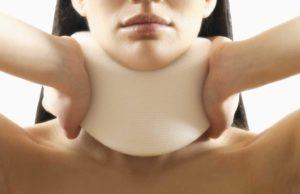
Most frequent headaches are tension headaches or headaches that start in the neck. They often respond to care that treats the neck, shoulders and posture, not just the pain. At TruSpine, that means:
- Chiropractic care for headaches linked to the neck, upper back and posture.
- Soft-tissue work and dry needling for tight muscles at the base of the skull, neck and shoulders.
- Acupuncture to help reduce how often tension headaches happen.
- A plan for home, including posture, screen breaks, sleep and stress.
If your headaches throb, come with nausea or make you sensitive to light, they may be migraines. See our migraine treatment page.
Compare
Headache vs. migraine: what’s the difference?
Tension headaches and migraines are the two most common headache types, and they are often confused. This chart shows the main differences.
| Tension or neck headache | Migraine | |
|---|---|---|
| Where it hurts | Both sides of the head, often like a tight band. Neck-related headaches start at the base of the skull. | Often one side of the head, though it can be both. |
| How it feels | Pressing or tightening, not throbbing. | Throbbing or pulsing. |
| How bad | Mild to moderate. | Moderate to severe. |
| Other symptoms | Usually none. Neck or shoulder tightness is common. | Nausea or vomiting, sensitivity to light and sound. Some people get an aura first. |
| Activity | You can usually keep going. | Routine activity, like climbing stairs, makes it worse. |
| How long | 30 minutes to several days. | 4 to 72 hours without treatment. |
| Common triggers | Stress, long hours at a screen, poor posture, jaw clenching, poor sleep. | Hormone changes, missed meals, poor sleep, stress, alcohol, bright light, strong smells. |
| How TruSpine helps | Chiropractic care, soft-tissue work and acupuncture. | Acupuncture to help prevent attacks. |
Not sure which one you have? Many people have both. Keeping a headache diary for a few weeks, with when it started, where it hurt and what you were doing, helps us work out the pattern. For migraine-specific care, see migraine treatment in San Francisco.
Types
What type of headache do I have?
Headache or head pain is one of the most common painful conditions. It is estimated that 7 in 10 people will experience a headache at least once a year. These are the types we see most often:
Tension headaches
The most common type. The pain feels like a tight band around the head and usually is not associated with other symptoms. Tension headaches are usually mild and can last from 30 minutes to several days.
Cervicogenic (neck) headaches
Pain that starts in the neck and is felt in the head, usually at the base of the skull on one side. It often gets worse with neck movement or long hours in one position.
TMJ headaches
Headaches driven by the jaw are routinely mistaken for tension headaches. The pain lands in the temples and behind the eyes, and it is often worst on waking.
Cluster headaches
Severe, burning or piercing pain around or behind one eye, with a watery eye and stuffy nose. They come in groups, each attack lasting 15 minutes to 3 hours, and are more common in men.
Sinus headaches
Pressure in the face and forehead when the sinuses (air-filled spaces in the bones of the skull) become inflamed.
Migraines
Throbbing headaches, often on one side, with nausea and sensitivity to light and sound. Read about migraine treatment.
Why it happens
What causes headaches?
Headaches fall into two groups, depending on what causes them.
Primary headaches
Primary headaches are stand-alone conditions, not caused by another illness. Tension, cluster and migraine headaches are primary headaches. Common triggers include stress, anxiety, fatigue, eye strain, long hours at a computer, noise, changes in eating and sleeping patterns, some medications, physical activity, posture and hormones.
Secondary headaches
Secondary headaches are a symptom of another condition that irritates the pain-sensitive nerves in the head. Causes range from a hangover, dehydration, the flu, sinus problems, glaucoma or a concussion to rare but serious problems such as a stroke, bleeding in or around the brain, or a brain tumor.
Neck problems are an important cause of headaches. Stiff joints and tight muscles in the upper neck can refer pain into the head, which is why neck-related headaches often improve when the neck is treated. If you also have neck pain, see our page on neck pain relief.
Safety first
When should I see a doctor?
Call 911 or go to the emergency room for any of these:
- A sudden, severe headache that peaks within a minute, often called the worst headache of your life
- A headache with fever and a stiff neck, confusion, or a rash
- A headache after a head injury
- Weakness, numbness, trouble speaking, vision loss or a drooping face, even if it passes
- A seizure or fainting with a headache
Make an appointment with your doctor soon if your headaches:
- Get worse over days or weeks
- Come with constant nausea or vomiting
- Wake you up from sleep
- Started after age 50, or are a new type of headache for you
- Need pain medicine more than two or three days a week
How headaches are diagnosed
Diagnosis is usually based on describing the pain: where it is, how often it happens and whether other symptoms come with it. Sometimes a doctor orders imaging, such as an MRI or CT scan, to rule out other causes. At TruSpine, we also examine your neck, upper back, jaw and posture to look for anything that may be driving your headaches.
Quick 1 minute quiz
Is your headache coming from your neck?
Answer 6 quick questions to see what may be behind your headaches and your best next step. Results right away. No referral needed.
Take the quiz →At TruSpine
How we treat headaches at TruSpine
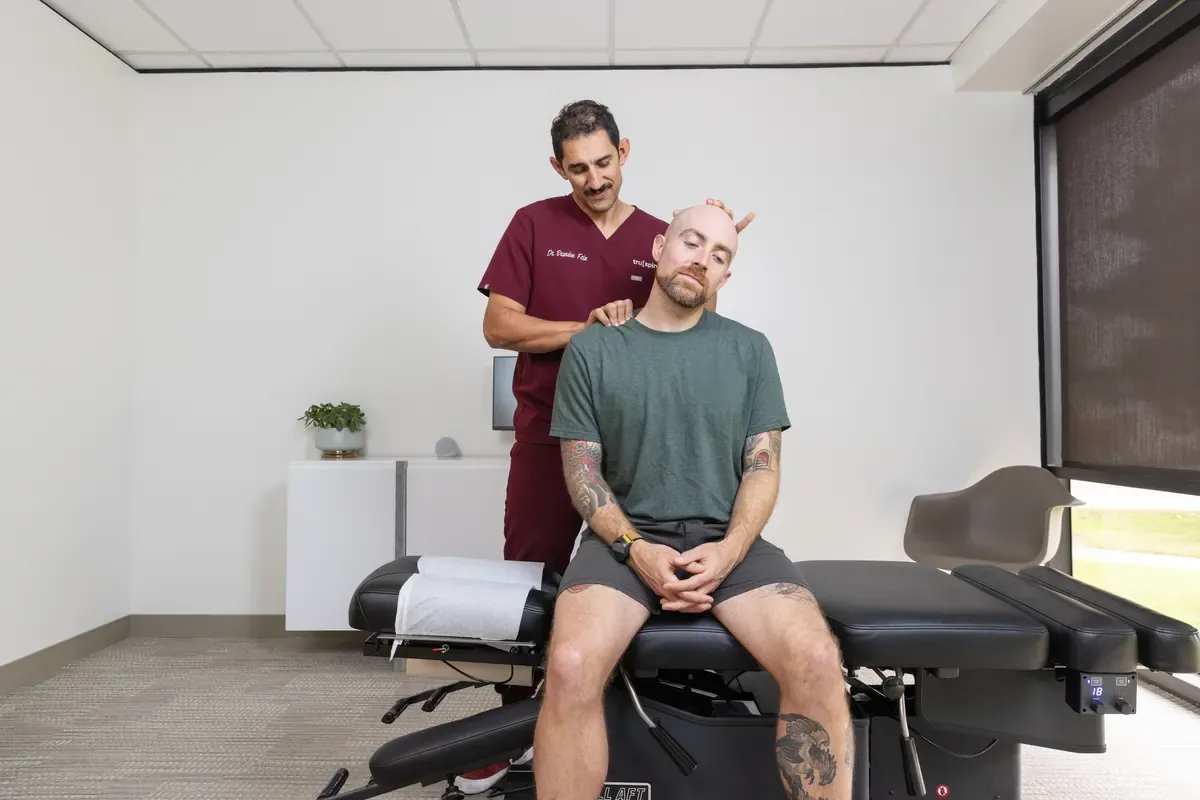
Your first visit starts with a history and exam. We look at how your neck moves, which muscles are tight or tender, your posture and your jaw, then explain what we find and recommend a plan. Depending on your headaches, care may include:
Chiropractic adjustments
Gentle, targeted adjustments to restore movement in stiff neck and upper back joints. Learn about chiropractic adjustments.
Soft-tissue therapy
Active Release Technique and the Graston Technique for tight muscles in the neck, shoulders and the base of the skull.
Dry needling
Fine needles placed in tight trigger points that refer pain into the head. Learn about dry needling.
Acupuncture
Our licensed acupuncturists treat tension headaches and the stress and poor sleep that often come with them. Learn about acupuncture.
Exercises and posture
Neck and upper back exercises, plus simple changes to your desk setup, to help keep headaches from coming back.
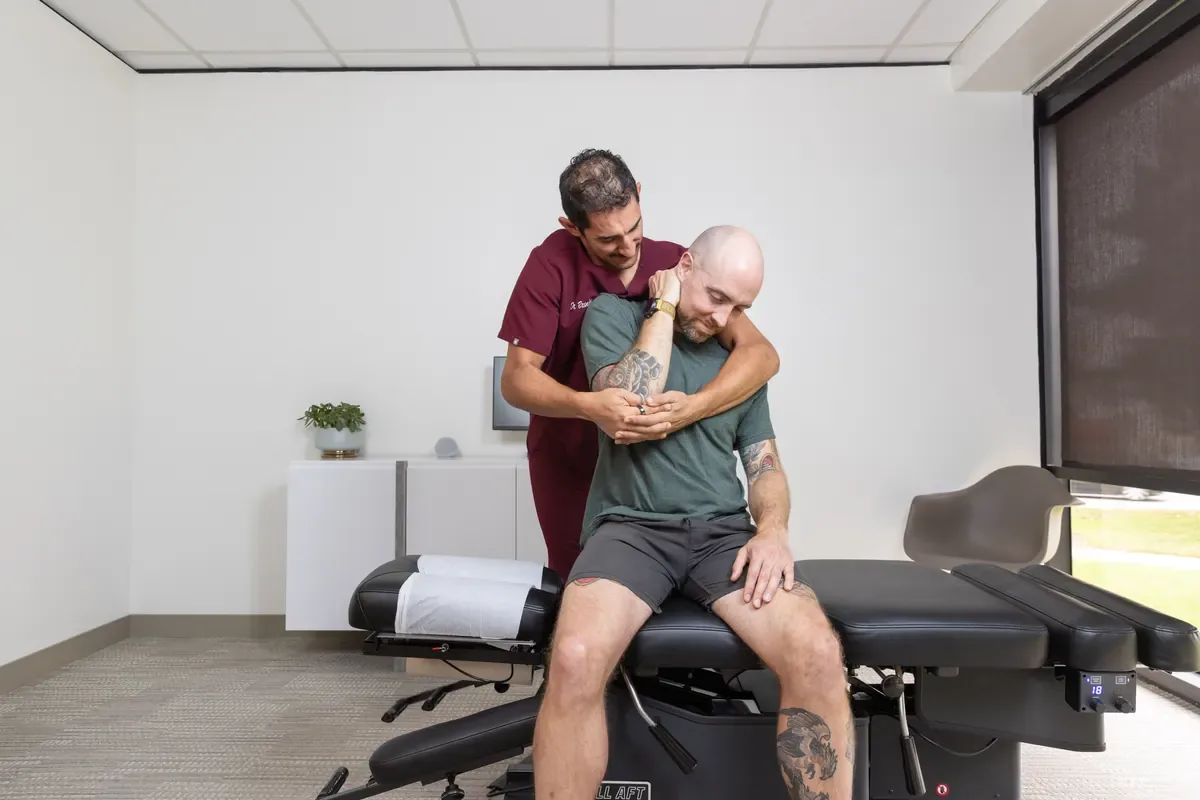

First chiropractic visits take 30 to 40 minutes. First acupuncture visits are about 60 minutes, with treatment included.
The evidence
What does the research say?
Here are some of the published findings on chiropractic care and acupuncture for headaches.
2018 trial of spinal manipulation
Who: Adults with cervicogenic (neck-related) headaches, treated three times a week for 6 weeks.
Found: People who had 18 visits of spinal manipulation cut their headache days roughly in half, from about 16 to 8 days every four weeks, and had about 3 fewer headache days than a light massage group.
2011 chiropractic guidelines
Who: A review of 21 studies on chiropractic care for headaches.
Found: Spinal manipulation is recommended for cervicogenic headaches and for migraine, and low-load neck mobilization may help tension headaches over the longer term.
2016 Cochrane review
Who: 12 trials with 2,349 people with tension-type headaches.
Found: In the largest trial, 48% of people who had acupuncture cut their number of headache days at least in half, compared with 19% who had routine care only.
At home
Self-care tips for fewer headaches
- Take screen breaks. Every 30 to 45 minutes, stand up, roll your shoulders and look away from the screen.
- Raise your screen. Keep the top of your monitor at eye level so your head is not pushed forward.
- Drink water and don’t skip meals. Dehydration and hunger are common triggers.
- Protect your sleep. Keep a regular bedtime and wake time, even on weekends.
- Notice your jaw. If you clench during the day, rest your tongue on the roof of your mouth with your teeth apart.
- Keep a headache diary. Note when each headache starts, how bad it is and what you were doing.
Other treatments
Over-the-counter pain relievers such as acetaminophen, ibuprofen or naproxen can help an occasional headache, but using them more than two or three days a week can cause rebound headaches. Your doctor may also suggest prescription medicines for frequent or severe headaches. Cluster headaches often need oxygen therapy, and sinus infections may need medicine from your doctor.
San Francisco
Headache treatment in San Francisco
Our chiropractors see headache patients at our North Waterfront clinic at 50 Francisco Street and our Telegraph Hill clinic at 150 Lombard Street. Acupuncture is offered at Telegraph Hill with our licensed acupuncturists Gabi Curbelo, MSOM, L.Ac. and Dr. Jennifer Drake, DACM, L.Ac.
We work with many in-network and out-of-network plans, so call us before your visit and we will help you check your coverage.
Ready to get to the root of your headaches? Book a visit at either of our San Francisco clinics. No referral is needed.
FAQs
Common questions about headaches
What is the best treatment for tension headaches?
It depends on what is driving them. Many tension headaches are linked to tight neck and shoulder muscles, posture and stress. Chiropractic care, soft-tissue work, acupuncture, exercise and better sleep can all help, and over-the-counter pain relievers can help with an occasional headache.
Can a chiropractor help with headaches?
Yes, especially headaches that start in the neck. Chiropractic guidelines recommend spinal manipulation for cervicogenic (neck-related) headaches, and in a 2018 trial, people who had 18 visits cut their neck-related headache days roughly in half.
Does acupuncture help tension headaches?
In a 2016 Cochrane review, 48% of people who had acupuncture cut their number of headache days at least in half, compared with 19% of people who received routine care only.
What is a cervicogenic headache?
A cervicogenic headache is pain felt in the head that comes from the neck. It usually starts at the base of the skull on one side, can spread to the forehead or behind the eye, and often gets worse with neck movement or holding one position for a long time.
How can I tell if my headache is a migraine?
Migraines are usually throbbing, often on one side, and come with nausea or sensitivity to light and sound. Tension headaches feel like pressure or a tight band and rarely come with other symptoms. See the comparison chart above or our migraine page.
Can poor posture cause headaches?
It can contribute. Sitting with your head forward for long periods loads the muscles at the back of the neck and the base of the skull. Learn more in our post on forward head posture.
Can jaw clenching cause headaches?
Yes. Clenching or grinding overworks the temporalis muscle on the side of the head, so the pain often sits in the temples and is worst on waking. See our TMJ page.
How many visits will I need?
It depends on how long you have had headaches and what is causing them. We start with an exam, explain what we find and recommend a plan, then re-check your progress along the way.
When should I worry about a headache?
Get emergency care for a sudden, severe headache, a headache with fever and a stiff neck, a headache after a head injury, or a headache with weakness, numbness, trouble speaking or vision loss.
Do you treat headaches in San Francisco?
Yes. Our chiropractors see headache patients at both of our clinics, and our acupuncturists see patients at 150 Lombard Street, Suite 2. Book online or call (415) 421-1115. No referral is needed.
Research and sources
- Linde K, et al. Acupuncture for the prevention of tension-type headache. Cochrane Database Syst Rev. 2016.
- Haas M, et al. Dose-response and efficacy of spinal manipulation for care of cervicogenic headache. Spine J. 2018.
- Bryans R, et al. Evidence-based guidelines for the chiropractic treatment of adults with headache. J Manipulative Physiol Ther. 2011.
- National Institute of Neurological Disorders and Stroke: Headache
Medically reviewed by Dr. Supreet Shah, DC, MS, CCSP, chiropractor and founder of TruSpine San Francisco.
This article is for general information and is not medical advice. Individual results vary. If you have new, severe or changing headaches, get a professional evaluation.